Interests

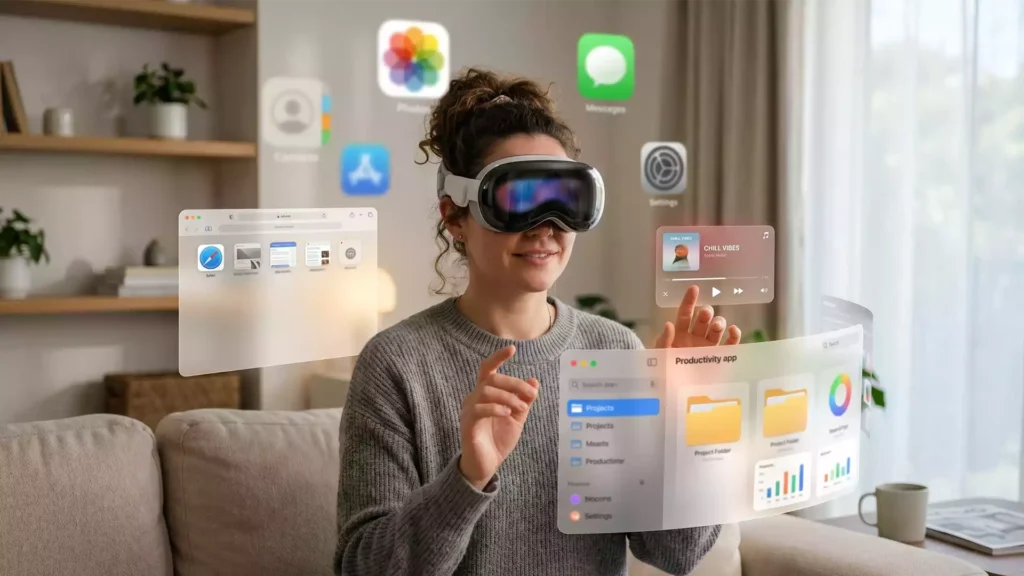
A Conceptual visualization of the Apple spatial computing ecosystem

Exploring the Apple Spatial Computing Ecosystem Today

Understanding Immersive Digital Reality Environments First, the Apple spatial computing ecosystem fundamentally transforms daily work. Users historically relied on simple flat screens for digital tasks. However, modern augmented reality headsets introduce profound 3D experiences. Spatial computing software integration naturally allows seamless workflow transitions. Furthermore, this bold approach merges physical and digital worlds beautifully. Developers actively create exciting new Apple Vision Pro applications today. Apple continuously refines these groundbreaking spatial tools. Key Benefits of Spatial Computing Software Integration Next, embracing this hardware ecosystem provides immense user benefits. Professionals effortlessly expand their workspaces beyond physical desktop monitors. The Apple spatial computing ecosystem also enhances remote team collaboration. Users enjoy interacting with floating digital application windows intuitively. Meanwhile, creators use spatial video guidelines to capture lifelike memories. Smooth software connectivity behaves much like updating your traditional Mac. Sometimes, you might even troubleshoot Mac OS Sequoia network connections. Immersive interfaces ultimately boost overall daily productivity immensely. Expanding Apple Vision Pro Applications Developers undoubtedly need excellent tools to build these complex environments. Apple’s VisionOS developer resources offer fantastic coding frameworks. A thriving Apple spatial computing ecosystem demands continuous app creation. Developers remain enthusiastic about pushing these new creative boundaries. Tech reviewers at The Verge carefully track these frequent updates. Moreover, software teams must optimize their apps for battery life. Bulky unoptimized headsets might otherwise frustrate everyday consumers quickly. Interestingly, the rise of mainstream AR glasses highlights growing public interest. Securing Immersive Digital Reality Environments Adopting new technology clearly requires serious privacy considerations always. Apple prioritizes strict data protection within its spatial networks. Innovative spatial mapping technology accurately understands your physical room layout. Experts at 9to5Mac specifically highlight the secure eye-tracking features. Robust system safeguards actively prevent dangerous third-party data intrusions. As a result, the Apple spatial computing ecosystem protects personal biometric data perfectly. Maintaining secure networks prevents issues like unexpected antivirus installations. Mobile users must also avoid hidden malicious phone malware daily. The Future of the Apple Spatial Computing Ecosystem Moving forward, this immersive technology will likely dominate the industry. Spatial integration currently leads many modern interactive media initiatives. Hardware upgrades will likely make future headsets much lighter. Home entertainment might soon adopt these mixed-reality principles too. Visualizing mixed reality content could rival viewing advanced Micro RGB TVs. Thus, the Apple spatial computing ecosystem guarantees incredible future experiences. Embracing these immersive digital reality environments finally redefines our technological landscape completely.

Exploring the Apple Spatial Computing Ecosystem Today Read More »
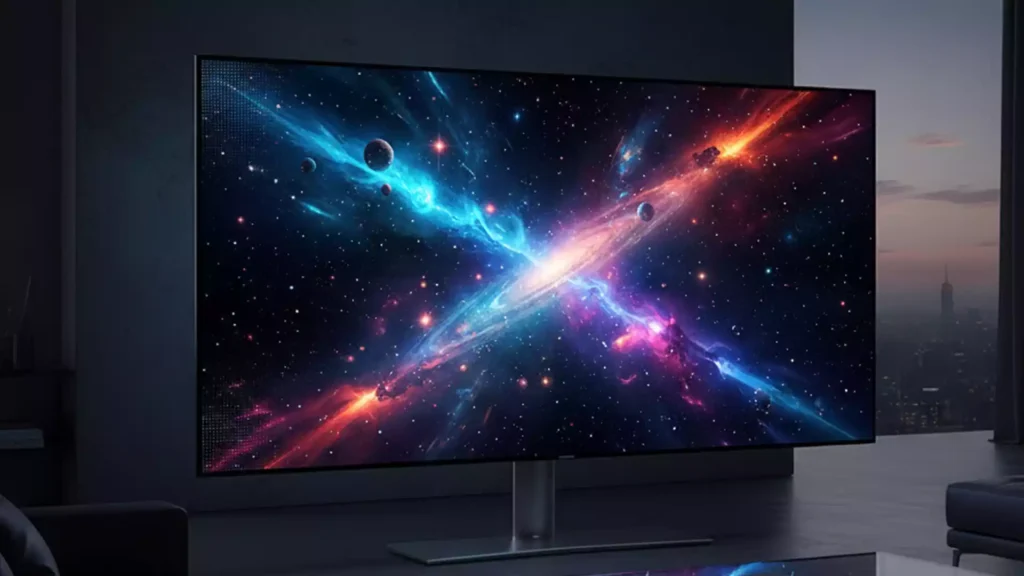
Micro RGB TV technology display panel glowing in a dark room

Why Micro RGB TV Technology is the Future of Home Cinema

The world of home entertainment is currently witnessing a massive shift. While OLED has reigned supreme for years, Micro RGB TV technology is emerging as the new gold standard. This innovation promises to fix the flaws of previous displays. It combines the self-emissive nature of OLED with the longevity of traditional LEDs. Exploring the Benefits of Next-Gen Display Panels Many tech enthusiasts are looking for the best visual experience. These next-gen display panels utilize tiny inorganic LEDs. Unlike OLED, these pixels do not degrade over time. This means you get a brighter picture without the risk of burn-in. If you want a screen that lasts a decade, this is the solution. For those building a high-end setup, check out these premium tech solutions. Comparing Micro RGB to High-End 4K Televisions Current high-end 4K televisions often struggle with extreme brightness levels. However, Micro RGB can reach thousands of nits easily. This makes HDR content look incredibly lifelike. Shadows remain dark while highlights pop with intense clarity. You can find more about optimizing your hardware at Krusty Lab’s digital tools. Investing in the Future of Home Entertainment As we look toward the future of home entertainment, efficiency and scale are vital. Manufacturers are now finding ways to make these screens more affordable. Early adopters are already seeing the benefits in professional gaming and cinema rooms. For expert advice on integrating new tech, visit our consultancy page. Whether you are a hardcore gamer or a movie buff, Micro RGB TV technology is the ultimate upgrade. It represents a “no-compromise” approach to visual quality. Stay updated with the latest trends by visiting Krusty Lab’s blog. You can also explore our about us section to see our tech expertise. External Resources for Tech Enthusiasts

Why Micro RGB TV Technology is the Future of Home Cinema Read More »

Mainstream AR glasses

The Arrival of Mainstream AR Glasses in 2025

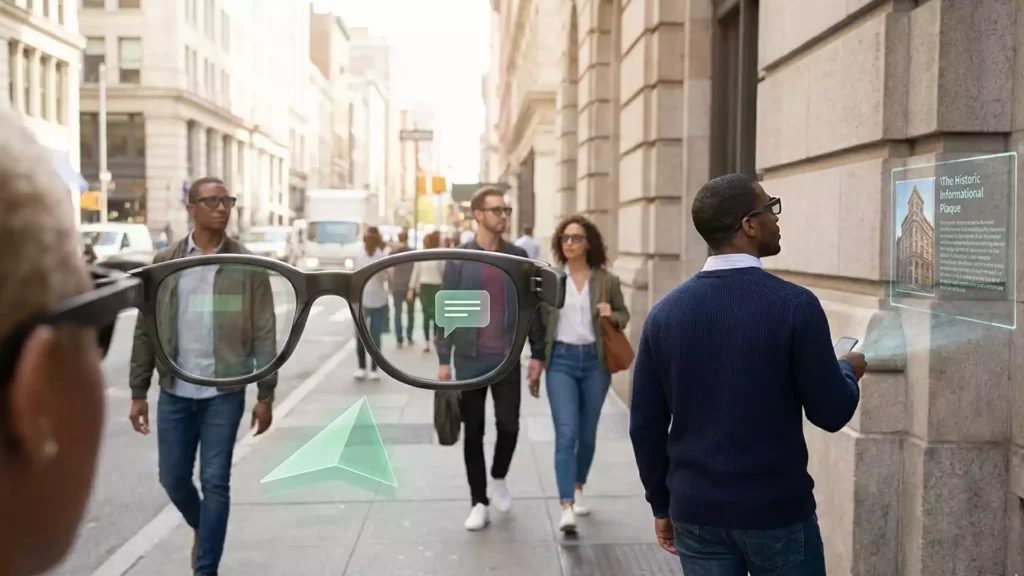
It is December 23, 2025, and the streets look different today. The long-awaited promise of mainstream AR glasses has finally materialised. After years of bulky prototypes and limited developer kits, sleek, fashionable eyewear delivering rich augmented reality is now a common sight. This holiday season marked the tipping point where spatial computing shifted from niche tech to a consumer necessity. Beyond Niche: The Rise of Consumer Smart Glasses Major tech companies recently released stylish, lightweight consumer smart glasses. Consequently, public adoption skyrocketed almost overnight. These devices no longer look like science fiction props; they resemble standard frames. Yet, they project navigation, messages, and real-time translation directly into the user’s field of view. According to early reviews from The Verge, the new battery technology allows for all-day use. This stamina was the missing link for widespread adoption. Furthermore, market analysis by Forrester suggests that 30% of smartphone users will own a pair by next year. Therefore, businesses must adapt quickly to this new screenless reality. Alt Text: Diverse pedestrians wearing mainstream AR glasses that display digital information overlays in a city environment. Practical Applications of Spatial Computing Interfaces The utility of these devices goes far beyond gaming. Spatial computing interfaces are changing how we interact with the world. For instance, mechanics now see overlayed schematics while repairing engines. Tourists see historical facts floating beside monuments. At IT Touch, we are already developing custom applications for this new platform. Our software development services now include dedicated AR teams. We help clients translate their digital presence into 3D space. You can learn more about our approach on our services overview page. Integrating Augmented Reality Eyewear at Work How does augmented reality eyewear impact the office? It dramatically enhances collaboration. Remote colleagues appear as holograms in your meeting room. Consequently, the need for physical travel decreases significantly. We recently detailed these workplace shifts on our IT blog. Companies need a strategy to integrate these tools securely. Our IT consulting division specializes in deploying these advanced hardware setups. Preparing for an Augmented Future The era of looking down at screens is ending; the era of looking through mainstream AR glasses has begun. Check the latest hardware specs on Wired’s gadget section. Also, keep an eye on TechCrunch for emerging AR startup funding news. Don’t let your business get left in the 2D past. Contact us via our contact page to discuss your spatial computing strategy today. The future is right in front of your eyes.

The Arrival of Mainstream AR Glasses in 2025 Read More »

Mac OS Sequoia is available for download today

No internet connection after updating to Mac OS Sequoia

No internet connection after updating to Mac OS Sequoia? Here’s probably why this is happening to your Mac. Firewall apps To resolve internet issues on Mac OS Sequoia, check if you have any app that manages your internet connection firewall. Some apps control your web traffic and might not be compatible with the Mac OS Sequoia update. For example, I had ESET Antivirus and Internet Security installed and when I installed the Mac OS Sequoia update, I could not connect to the internet anymore. So if you have a firewall app managing your internet traffic, you might want to head over to the app and update it’s firewall or VPN settings. Start Troubleshooting > Step-by-Step Solutions For the ESET Antivirus and Internet Security example, I simply did the following: Open Security settings from my Mac​ OS Sequoia Under VPN & Filters, Disable and/or remove all ESET Filters and Proxies

No internet connection after updating to Mac OS Sequoia Read More »