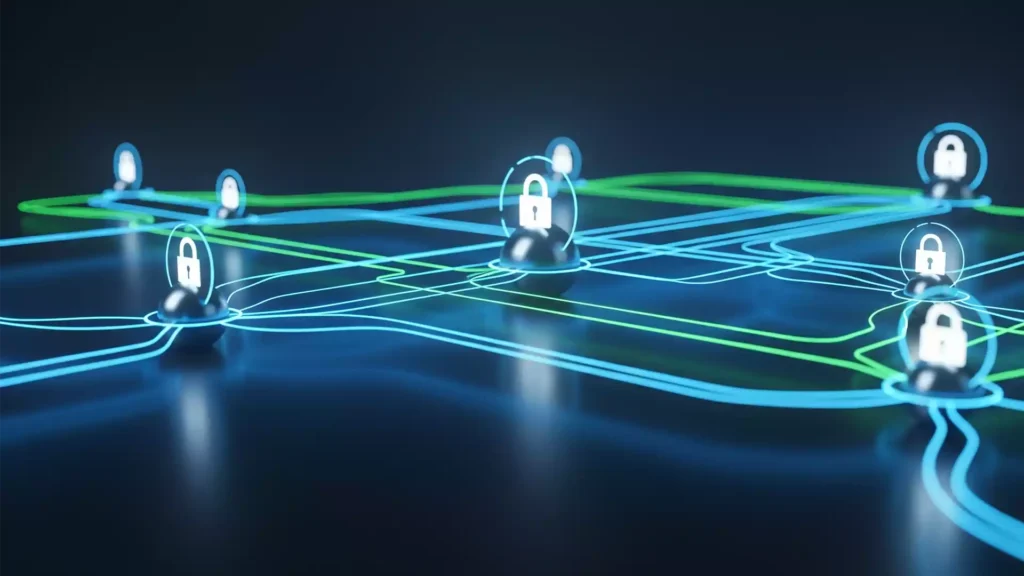
Understanding Zero Trust Software Architecture
First, zero trust software architecture changes how we protect data. Traditionally, networks trusted everything inside their borders. However, modern threats bypass old perimeters easily. Therefore, a zero trust security model requires strict identity verification always. Furthermore, this approach assumes breaches happen constantly. Consequently, every user must prove their identity continually. Key Benefits of Modern Software Network Defense Next, implementing this strategy offers immense benefits. For example, businesses reduce unauthorized access significantly. In addition, zero trust software architecture limits lateral movement during attacks. Meanwhile, developers use NIST guidelines to build robust systems. Additionally, you can secure your apps much like Apple secures software. Ultimately, strict access control shields valuable company resources. Implementing Cybersecurity Software Frameworks Undoubtedly, organizations need excellent tools to enforce these rules. Similarly, Microsoft offers great solutions for enterprise environments. Besides, a solid zero trust software architecture demands continuous monitoring. Fortunately, CISA recommendations help agencies adopt these policies properly. Moreover, IT teams must inspect all network traffic. Otherwise, hidden vulnerabilities might destroy critical databases overnight. Interestingly, emerging malware threats show why we need better security. Adopting a Zero Trust Security Model Clearly, transitioning takes time and considerable effort. Yet, the investment pays off by preventing catastrophic data breaches. Specifically, experts at Cisco highlight the importance of visibility. Also, sudden software changes like the recent Kaspersky update prove systems need strict control. As a result, zero trust software architecture prevents unauthorized program executions perfectly. Indeed, validating every single device creates a safer environment. The Future of Zero Trust Software Architecture Moving forward, this method will dominate the tech landscape. Currently, Palo Alto Networks leads many advanced defense initiatives. Soon, everyday consumer gadgets might adopt these principles too. For instance, mainstream AR glasses will handle sensitive user data. Likewise, advanced home displays like Micro RGB TVs will require secure connections. Thus, zero trust software architecture guarantees protection across all platforms. Finally, embracing this mindset secures our digital future completely.
Understanding Zero Trust Software Architecture Read More »